
 Int’l Shipping
 Procurement
 Domestic Shipping
 Tax & Compliance
 Insights
 About Us
November 19, 2026 | Logistics & Technology
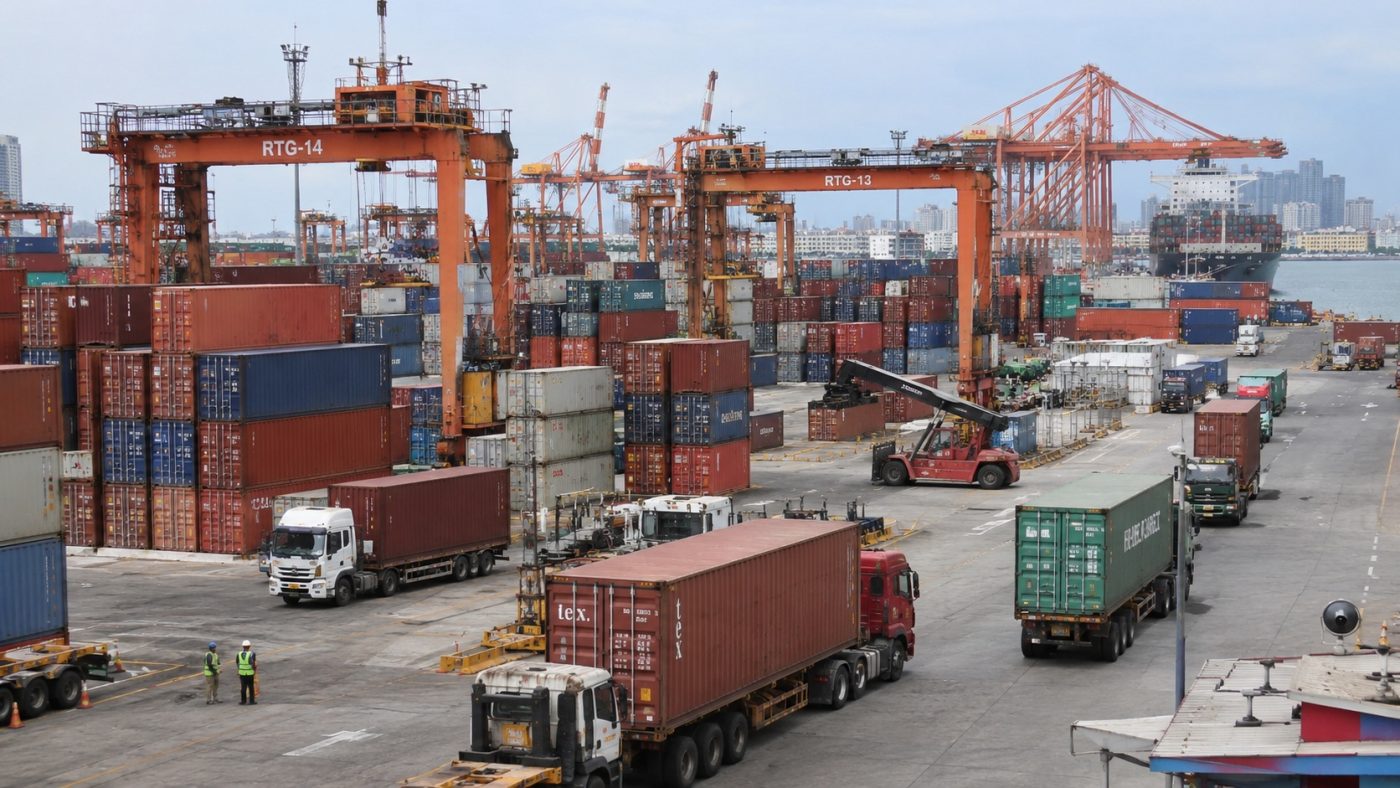
Importers bringing goods into the Philippines are facing continued congestion at Manila’s ports.
According to Kuehne+Nagel’s November 17, 2026 operational update, vessels were waiting an average of around 2.25 days to berth in Manila, while the Manila International Container Terminal (MICT) was operating at approximately 85–90% yard capacity.
The Philippine government is working on measures to improve container movement, but delays remain a concern for businesses relying on imported goods.
If you have cargo arriving soon, here’s what you should know.
Let’s Simplify…
Imagine ordering products from China. Your supplier ships everything on time, and the vessel reaches Manila as scheduled.
You’d probably expect your goods to be delivered shortly afterward.
Unfortunately, that’s not always how it works.
Before your cargo reaches your warehouse, the vessel needs somewhere to dock. Containers must be unloaded, customs requirements must be completed, and a truck must collect your shipment.
Meanwhile, other containers need to leave the port, and empty containers must be returned to designated locations.
When too many containers are waiting and trucks can’t move them quickly enough, everything slows down.
Your shipment can arrive in Manila without actually being ready for delivery.
That’s what’s making the current congestion particularly frustrating for importers.
Why This Is Important
A delayed shipment isn’t just an inconvenience. It can affect your entire business.
If you’re importing raw materials, production might have to wait. If you’re bringing in merchandise, you could miss important selling dates.
Additional storage, container detention or other charges may also apply, depending on your shipping arrangements.
One major problem involves empty containers. Trucks that cannot return empty containers promptly may be unavailable to collect newly arrived imports.
Hapag-Lloyd previously announced restrictions on new bookings to Manila, Batangas and Subic because of port congestion and limited empty-container return capacity.
The government has also been discussing measures such as temporary storage areas, additional vessels to remove empty containers, and improvements to truck movements.
These may help, but businesses should still prepare for possible disruptions.
How Long Will My Shipment Be Delayed?
There’s no single answer.
The reported 2.25-day average refers to vessels waiting to berth. It doesn’t mean your shipment will automatically be delivered 2.25 days late.
Actual delivery depends on vessel operations, customs processing, container availability, trucking schedules and your cargo’s documentation.
Some shipments may move relatively smoothly, while others take longer.
If you’re importing products for a specific deadline, build extra time into your schedule.
If you’re shipping through ImportAnything.ph, your dedicated account representative can help you review the shipment’s progress, coordinate the next steps, and keep you informed about developments affecting your delivery.
Can Port Congestion Make My Shipping More Expensive?
Yes, it can.
When containers remain at terminals or outside the allowed free period, additional charges may apply.
There can also be extra trucking or storage expenses if cargo movements don’t go according to plan.
However, not every delay automatically results in additional fees.
If you’re using another shipping provider, make sure they explain the applicable free periods, possible storage and container charges, and who’s responsible for paying them.
If you’re arranging your shipment through ImportAnything.ph, our team can help you review these details in advance, so you have a clearer idea of what to expect before your cargo arrives.
What Can I Do to Avoid Problems with My Next Shipment?
You can’t personally fix port congestion, but you can prepare for it.
Start by making sure your supplier provides accurate invoices, packing lists and other required shipping documents before the cargo leaves.
Check whether your goods need permits or special clearances.
Also, coordinate customs processing, trucking and delivery arrangements early rather than waiting until your shipment has already arrived.
That’s where having one logistics team coordinating the different arrangements can make things easier.
At ImportAnything.ph, we help businesses handle these arrangements through a dedicated representative, so they don’t have to manage each part of the shipment separately.
Good preparation won’t eliminate congestion, but it can reduce avoidable problems.
Your Cargo Has Enough to Deal With. Let Us Handle the Logistics.
With Manila’s ports experiencing congestion, the last thing your business needs is to spend hours coordinating shipping lines, customs requirements, truckers and delivery schedules on your own. ImportAnything.ph helps businesses manage international shipping, customs clearance and delivery through one coordinated team. Whether you’re bringing in machinery, raw materials, equipment or merchandise, we can help review your shipping requirements, prepare the necessary arrangements and coordinate the movement of your goods. You’ll also have a dedicated account representative who understands your shipments, keeps you informed and helps address issues as they arise.
Have an incoming shipment or planning your next import? Put our logistics team to work. Tell us what you’re shipping, where it’s coming from and when you need it delivered. We’ll help you review the available shipping arrangements, understand the customs requirements and plan the next steps. If your cargo is already experiencing delays, we can also discuss the circumstances and determine what assistance may be possible. You focus on keeping your business running while we handle the logistics. Talk to our International Shipping team.
Sources
-
Kuehne+Nagel — Port Operational Updates, November 17, 2026. Reports Manila’s average vessel waiting time and MICT yard utilization.
-
PortCalls Asia — Manila Ports See 2–3 Day Vessel Waits as Asian Congestion Persists. Discusses vessel delays and container congestion.
-
Hapag-Lloyd — Philippines Booking Suspension Advisory, September 2026. Carrier advisory explaining restrictions caused by congestion and empty-container constraints.
-
PortCalls Asia — Temporary Yards, More Sweeper Vessels Eyed vs. Manila Jam. Covers proposed measures to ease container congestion.
