
 Int’l Shipping
 Procurement
 Domestic Shipping
 Tax & Compliance
 Insights
 About Us
Global Factory Costs Are Rising: Should Businesses Buy Inventory Earlier?
Category: Sourcing & Procurement
Date: November 18, 2026
Brief Introduction
Manufacturers around the world are facing increasing production costs and longer delivery times, raising concerns for businesses that depend on imported products and materials.
According to November 2026 research from S&P Global Market Intelligence, global manufacturing continued to expand in October, but the cost of materials and other production inputs increased at a faster pace.
Supplier delivery times also remained under pressure, reflecting shortages of certain materials and disruptions affecting international supply chains.
For Philippine businesses purchasing products from overseas, these developments raise an important question: Is it better to place orders earlier to avoid possible price increases, or wait and risk paying more later?
The answer depends on the products being purchased, supplier conditions and the financial position of the business.
Let’s Simplify…
Manufacturers purchase raw materials, components, packaging and other supplies before producing the goods they sell.
When those materials become more expensive, manufacturers may need to increase their selling prices to protect their profit margins.
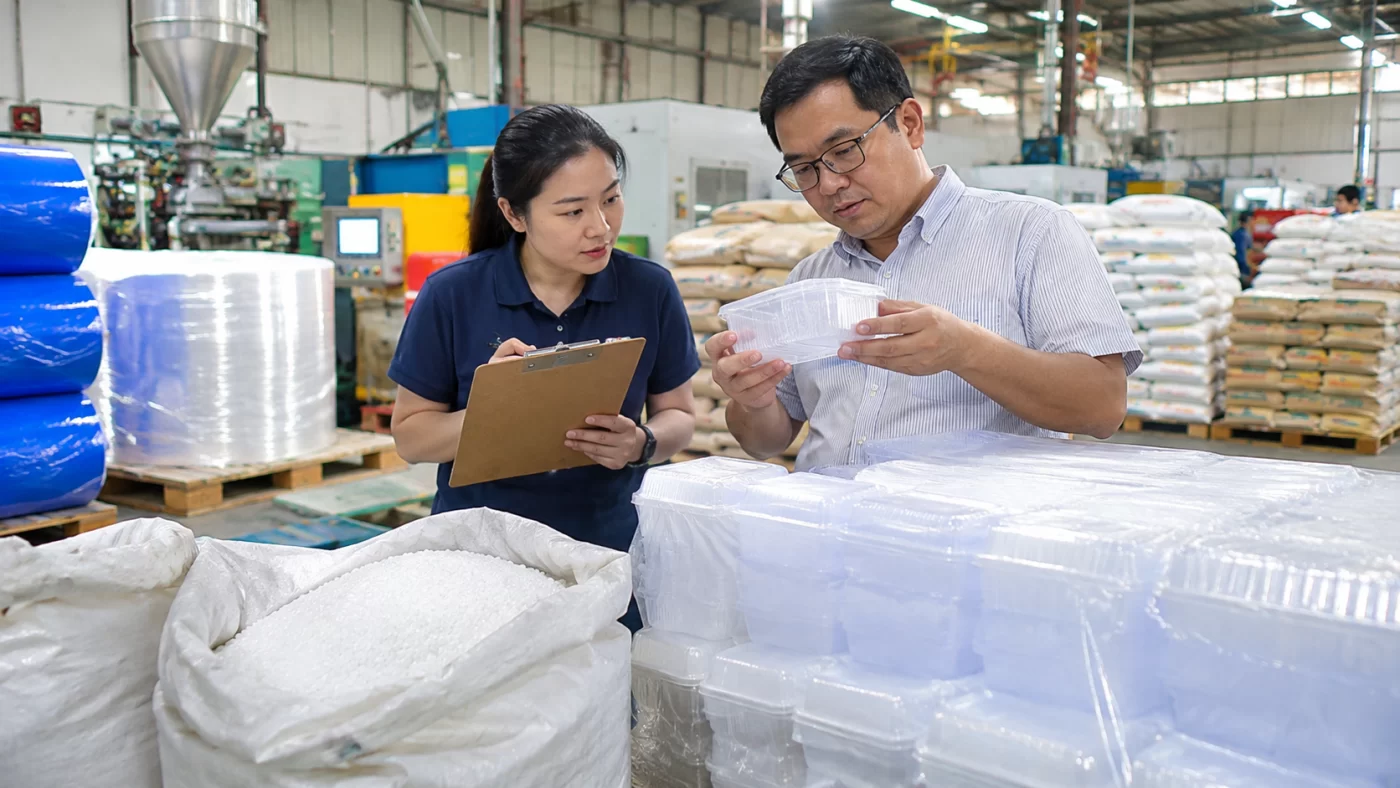
For example, imagine a Philippine business purchasing plastic containers from an overseas factory.
The factory relies on plastic resin, electricity, packaging materials and labor to manufacture those containers. If the cost of these inputs increases, the factory may eventually charge its customers more.
However, price increases do not always happen immediately.
Some manufacturers absorb higher costs temporarily, particularly when they have existing inventory or long-term contracts with suppliers. Others may adjust their quotations more frequently.
Delivery times can also change.
A factory that previously completed an order in 20 days might require 30 or 40 days if certain materials become difficult to obtain. These figures are illustrative, but they show how supply disruptions can affect purchasing schedules.
This means businesses need to consider not only the price of an item but also how reliably and quickly their suppliers can deliver it.
Why This Is Important
For Philippine businesses, purchasing decisions directly affect profitability, cash flow and the ability to meet customer demand.
When global factory costs increase, the consequences can extend beyond higher supplier quotations.
First, businesses may face shrinking profit margins. A retailer or distributor that cannot immediately increase its own selling prices may have to absorb additional purchasing expenses.
Second, inventory planning becomes more complicated. Ordering too late could result in stock shortages, particularly when suppliers need additional time to manufacture or deliver products.
Third, purchasing too early creates its own risks. Buying excessive inventory ties up working capital that could otherwise be used for daily operations, marketing or other business needs.
There is also the possibility that prices may stabilize or decline after a company has already purchased large quantities at higher prices.
This creates a balancing act between securing inventory and maintaining financial flexibility.
Importantly, rising global manufacturing costs do not mean every supplier or product will experience the same price increases.
Businesses should evaluate their actual purchasing requirements rather than make decisions based solely on general economic trends.
Should I Place My Orders Earlier to Avoid Future Price Increases?
Ordering earlier may be beneficial for products with predictable demand, long supplier lead times or a high risk of shortages. However, purchasing ahead of schedule is not always the most economical decision.
Consider a business that consistently sells 500 units of a particular product every month.
If its supplier normally requires six weeks to manufacture and ship new inventory, the business should account for that lead time when planning purchases.
If delivery schedules become less reliable, placing orders earlier could reduce the risk of running out of stock.
However, buying six months of inventory simply because prices might increase could create unnecessary storage expenses and cash-flow problems.
A better approach is to review historical sales, current inventory and expected delivery schedules.
Businesses can also ask suppliers whether they anticipate changes in pricing or production availability.
For frequently purchased products, establishing a regular ordering schedule may provide greater stability than making occasional large purchases based on speculation.
Should I Negotiate Fixed Prices With My Suppliers?
Yes, particularly for products purchased regularly. However, fixed-price arrangements should be evaluated carefully because suppliers may include conditions that limit their benefits.
A fixed-price agreement allows a buyer and supplier to establish an agreed price for a defined period or quantity.
For example, a Philippine distributor might negotiate a price that remains valid for three months, provided it purchases an agreed minimum quantity.
This can make purchasing costs more predictable and help the business prepare its selling prices and operating budgets.
However, suppliers facing volatile raw material costs may be reluctant to guarantee prices for extended periods.
Some may require larger deposits, minimum purchase commitments or shorter quotation validity periods.
Businesses should also clarify whether the agreed price includes packaging, delivery to the port or other charges.
A fixed product price does not necessarily mean the total landed cost will remain unchanged. Freight charges, exchange rates, import duties and taxes may still affect the final amount.
Before committing, compare the benefits of price certainty against the financial obligations involved.
How Much Backup Inventory Should My Business Keep?
There is no single inventory level suitable for every business. The appropriate amount depends on sales demand, supplier reliability, delivery times and the cost of maintaining stock.
Backup inventory, commonly called safety stock, is the additional quantity a business keeps to protect against unexpected demand or supply delays.
For example, a company that sells 100 units per week might maintain additional inventory to cover delays beyond its supplier’s normal delivery schedule.
The appropriate quantity depends on how frequently those delays occur and how much demand varies.
Businesses selling fast-moving products with consistent demand may benefit from maintaining larger reserves than those selling expensive, slow-moving goods.
Storage capacity and available working capital should also influence the decision.
Instead of automatically increasing inventory, businesses can consider other ways to reduce supply risks.
These include identifying backup suppliers, placing smaller but more frequent orders, and negotiating delivery schedules that better match actual demand.
Regularly reviewing inventory turnover can also help identify products that are being overstocked or replenished too slowly.
Ultimately, the objective is not to accumulate as much inventory as possible.
It is to maintain enough stock to serve customers reliably without placing unnecessary pressure on business finances.
ImportAnything.ph helps Philippine businesses source products from overseas suppliers and coordinate international shipping arrangements. Businesses reviewing their purchasing plans can explore our Procurement On Demand services.
Sources
-
S&P Global Market Intelligence (November 2026): Global PMI Signals Solid Factory Output Growth in October but Price Growth Accelerates Amid Shortages
-
National Association of Manufacturers (November 9, 2026): Global Manufacturing PMI Eased to 52.6 in October
-
S&P Global Market Intelligence (November 6, 2026): Growth in Global Goods Exports Slows Amid Rising Transport Costs in October
